How to Read a River in 60 Seconds — And Teach It to Someone You Love
The best anglers we've ever fished with share one habit: they stop at the bank and just watch. Sixty seconds of reading the water before the first cast will outfish an hour of hopeful flinging, every single time. And here's the part nobody writes about — it's the most shareable skill in fishing. A partner, a son, a daughter standing next to you, both of you scanning the same riffle: that's not just better fishing, it's the whole point.
The 60-second scan
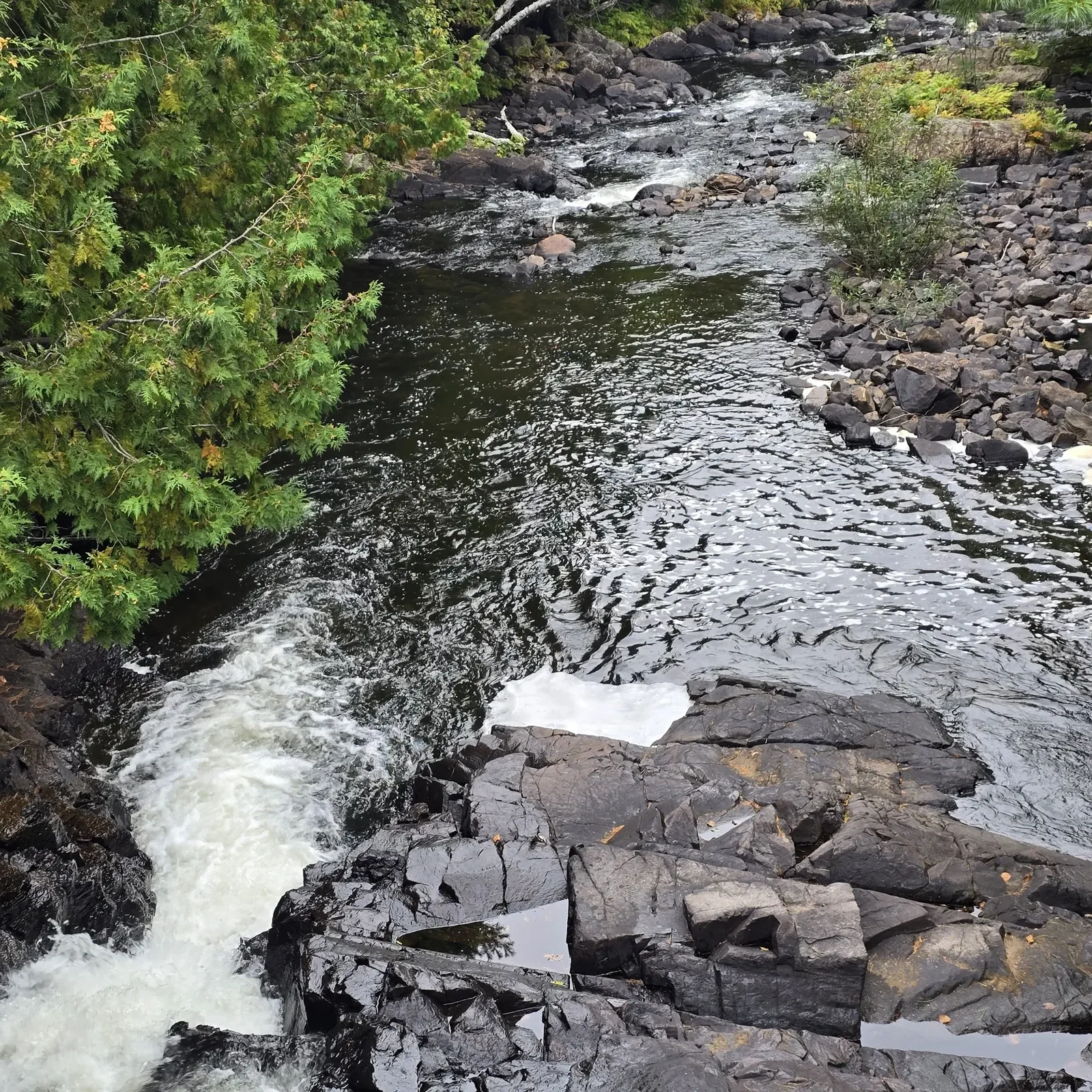
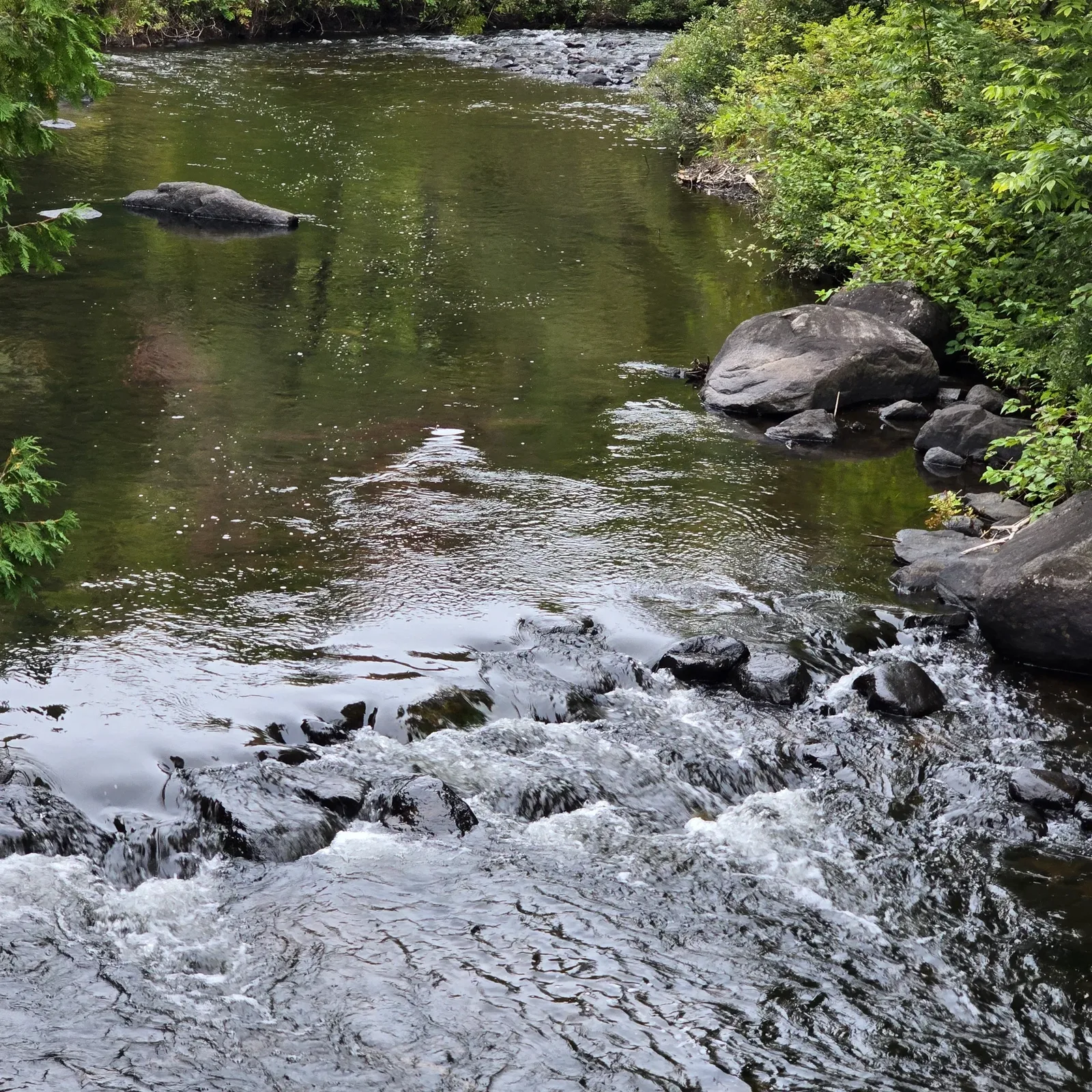
Five questions, in order. One: where does fast water meet slow? That seam is a feeding lane. Two: where does the bottom drop? Color shifts from light to dark mean depth, and depth means resting fish. Three: where's the cover — boulders, logs, undercut banks? Trout hold tight to it. Four: which way is the light? Fish the shadowed side when the sun is high. Five: what's on the surface? One rise ring changes the whole plan. Run the list, pick your lane, then cast.
The rule of two
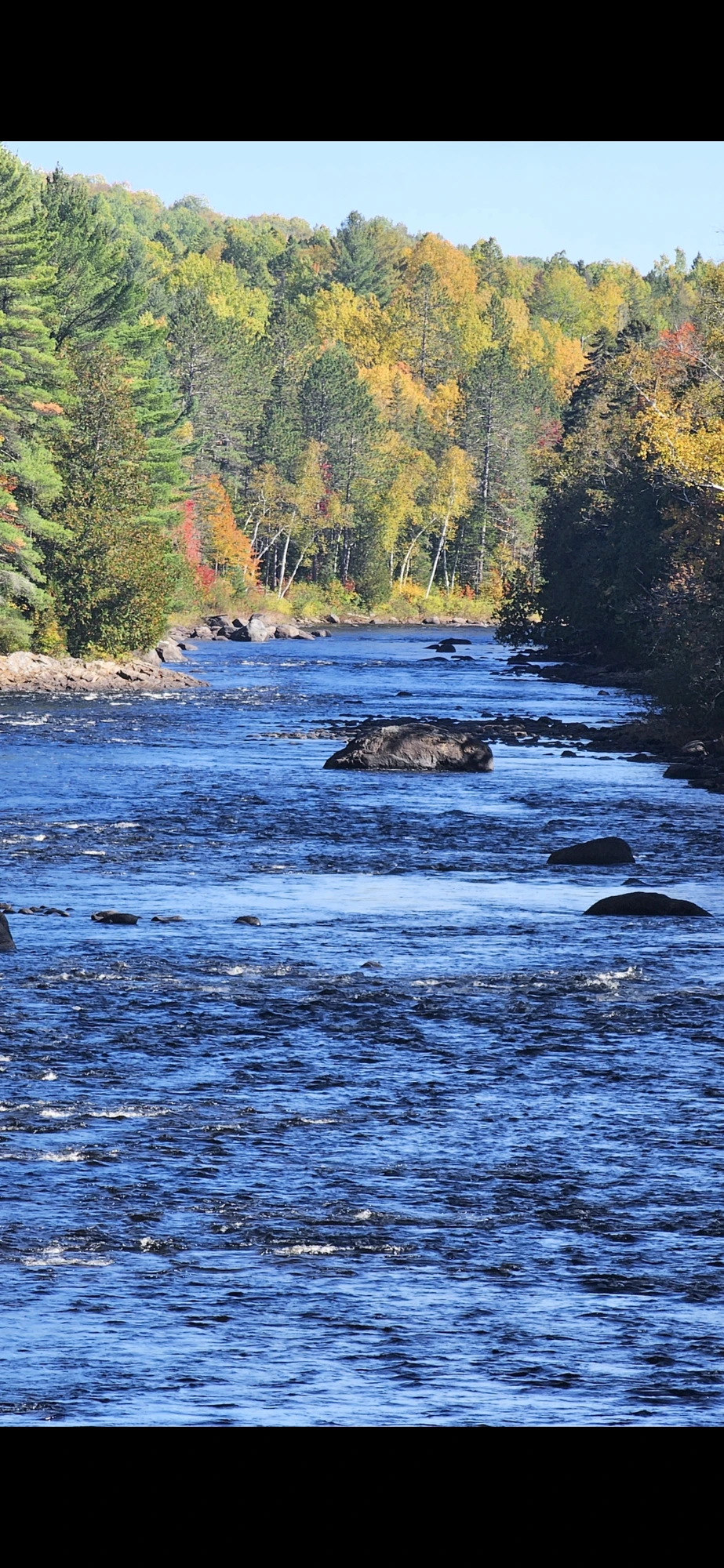
Fishing as a couple, split the scan. One of you reads the water out loud — seam here, drop-off there — while the other just watches and listens. Then trade roles at the next pool. The one who isn't casting sees the rise the caster always misses. We've settled more friendly arguments with 'you take the left seam, I'll take the right' than with any other words ever spoken on a riverbank.
With kids: make it a game
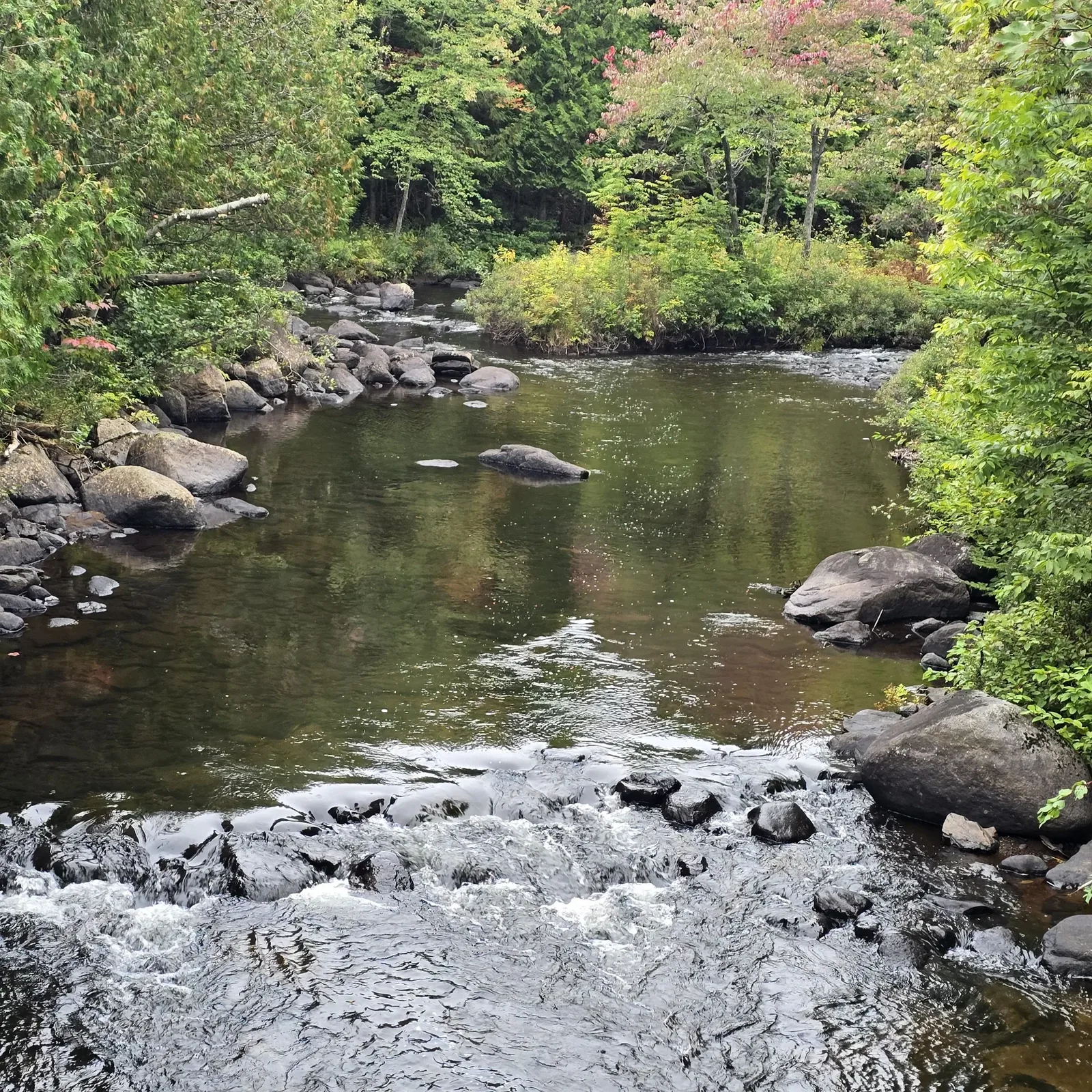
Children are natural river-readers because everything is a treasure hunt. Play 'spot the lie': who can find where a fish is hiding first? Give them the net — net duty makes them part of every catch and keeps them close. Plan in twenty-minute chapters: fish, snack, explore, fish again. A kid who associates the river with fun will hand you a rod in twenty years. A kid who got drilled on technique will not.
Safety, before anything else
With little ones, wading belts get cinched, life jackets go on near any current, and you fish the gentle edges first. Run our wading safety checklist together out loud — let them tick the boxes. It takes four minutes and quietly teaches them that the river deserves respect, not fear.
What you're really teaching
Ask anyone why they fish and the answer is never the fish. It's a misty morning, two rods, and somebody you love learning to see what you see. Reading a river together is just an excuse. The trout are a bonus.
Keep the momentum going:
Run the wading safety checklist