The Field Journal
Fly FishingSeptember 20265 min read

The Match-the-Hatch Cheat Sheet: Fly Sizes, Tippet & When to Fish Them
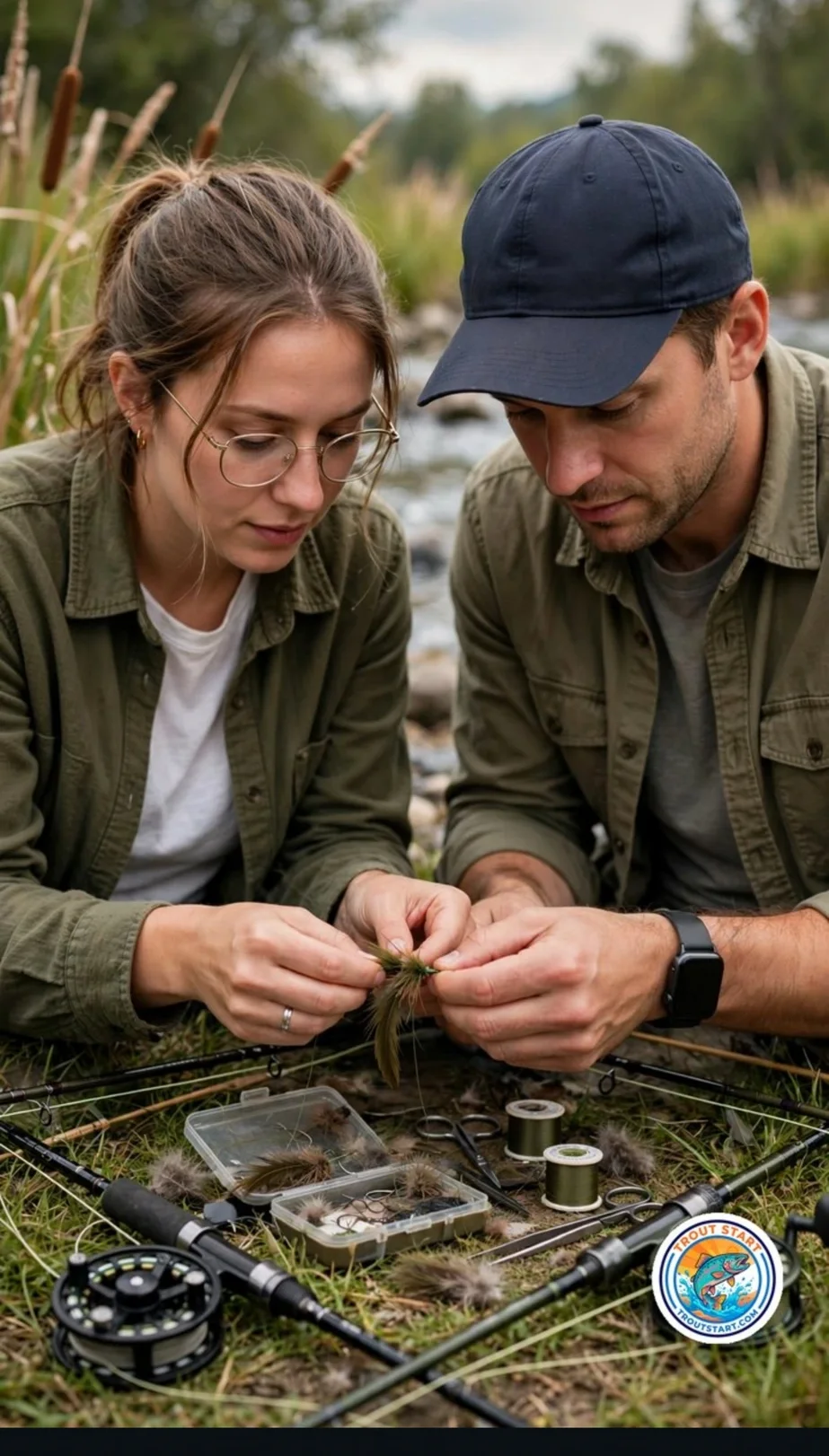
Every fly box tells the same story in seven chapters. Midges to streamers, tiny to meaty — once you see the pattern, you'll never stare at a hatch wondering where to start again. This is the grid we keep laminated in the truck: what each fly imitates, the hook size to reach for, the tippet that won't spook or snap, and the conditions where each one earns its keep.
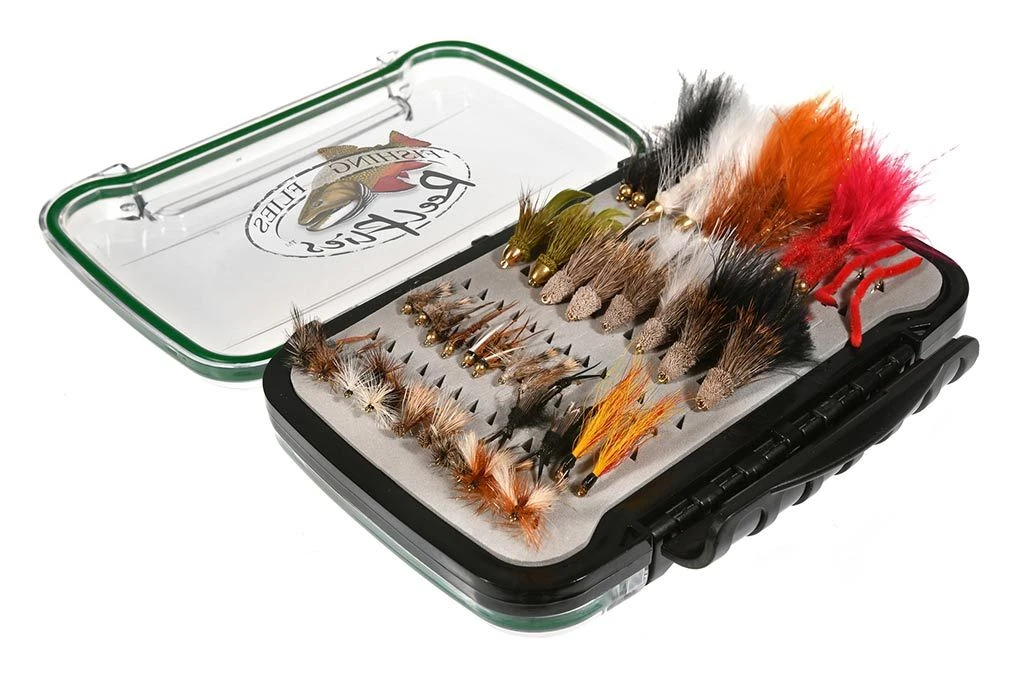
Seven chapters in one box — midges up top, streamers bringing up the rear
Midges

Chironomids, mosquitoes, cluster midges

#18 – #24#24 → #2
6X–7X fluoro

Flat, slow water; glassy pools; cold-weather tailwaters.

Blue-Winged Olives

Small mayflies, Baetis

#16 – #22#24 → #2
6X copolymer

Overcast, drizzly, humid days; late winter to early spring.

Caddisflies

Elk Hair Caddis, Hydropsyche, Grannom

#12 – #18#24 → #2
5X–6X copolymer

Fast riffles, pocket water; late afternoon and evening hatches.

Mayflies

Adams, PMDs, Sulphurs, March Browns

#12 – #16#24 → #2
5X copolymer

Moderate currents; clear afternoons; late spring to mid-summer.

Terrestrials

Ants, beetles, crickets, grasshoppers

#8 – #14#24 → #2
4X–5X copolymer

Windy summer days; under overhanging riverbank brush and trees.

Stoneflies

Salmonflies, Golden Stones, Yellow Sallies

#4 – #10#24 → #2
3X–4X copolymer

Turbulent, fast, highly oxygenated rocky riffles and pocket water.

Streamers

Woolly Buggers, sculpins, minnows, leeches

#2 – #8#24 → #2
0X–3X fluoro

Deep pools, undercut banks; high, stained, or murky water.

Smaller number = bigger fly. The bar shows each category's hook-size range on the full spectrum.

Fluoro = fluorocarbon (sinks, near-invisible) · Copolymer = nylon copolymer (floats higher)

How to use this on the water

Work the grid backwards from what you see. Bugs in the air or rings on the surface? Match the insect column first, then drop to the size range. Water up and dirty? Jump straight to streamers and stop fighting it. When two categories overlap — say a #16 could be a BWO or a caddis — fish the one whose conditions match your day, and let the trout settle the argument.

Tippet, translated

The X system is backwards on purpose: higher X means thinner, weaker, stealthier. 6X–7X is gossamer — for tiny flies and glassy water where trout inspect everything. 4X–5X is the daily driver. 0X–3X is rope, built for stripping streamers through logjams. Copolymer floats higher for dry flies; fluorocarbon sinks and disappears for nymphs and streamers. Match the tippet to the fly, not the fish — the fish rarely cares, but the drift always does.

Print it, screenshot it, or just remember the shape of it: small and slow at the top, big and ugly at the bottom, and everything in between is a mayfly. Not sure which chapter is playing this month? Check the trout hatch calendar — then go match a hatch.

Keep the momentum going:

Put it to work on the water
The Field Journal

One dispatch a week. Hatches, flows, and the gear that matters.

No spam, no fluff — just what is hatching, where the water is moving, and one tip worth practicing before Saturday.

Trout Start

Field guides, interactive checklists, and honest gear picks for fly and lure anglers chasing trout.

Affiliate disclosure: TroutStart.com participates in affiliate programs, including Amazon Associates. When you buy through our links we may earn a commission at no extra cost to you — it keeps the waders patched and the guides free. As an Amazon Associate we earn from qualifying purchases.

© 2026 TroutStart.com